How Switch Tint Works, In Plain Terms
No magic — just a film that reorganizes itself on command.
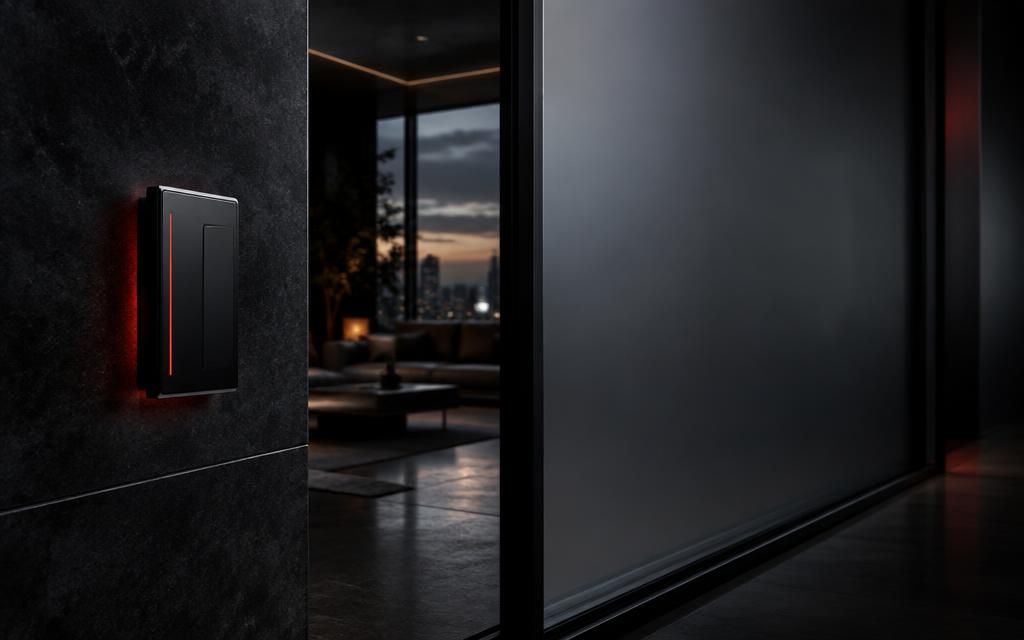
The short version: the film contains a layer whose particles are randomly scattered in one state and aligned in the other. Scattered means light gets blocked and the glass looks dark. Aligned means light passes and the glass looks clear. A small electrical signal decides which state it is in.
The switch is effectively instant, and holding a state takes very little power. Because the change happens inside the film rather than through a mechanical shade, there is nothing to jam, nothing that rattles, and nothing visible when it is not in use.
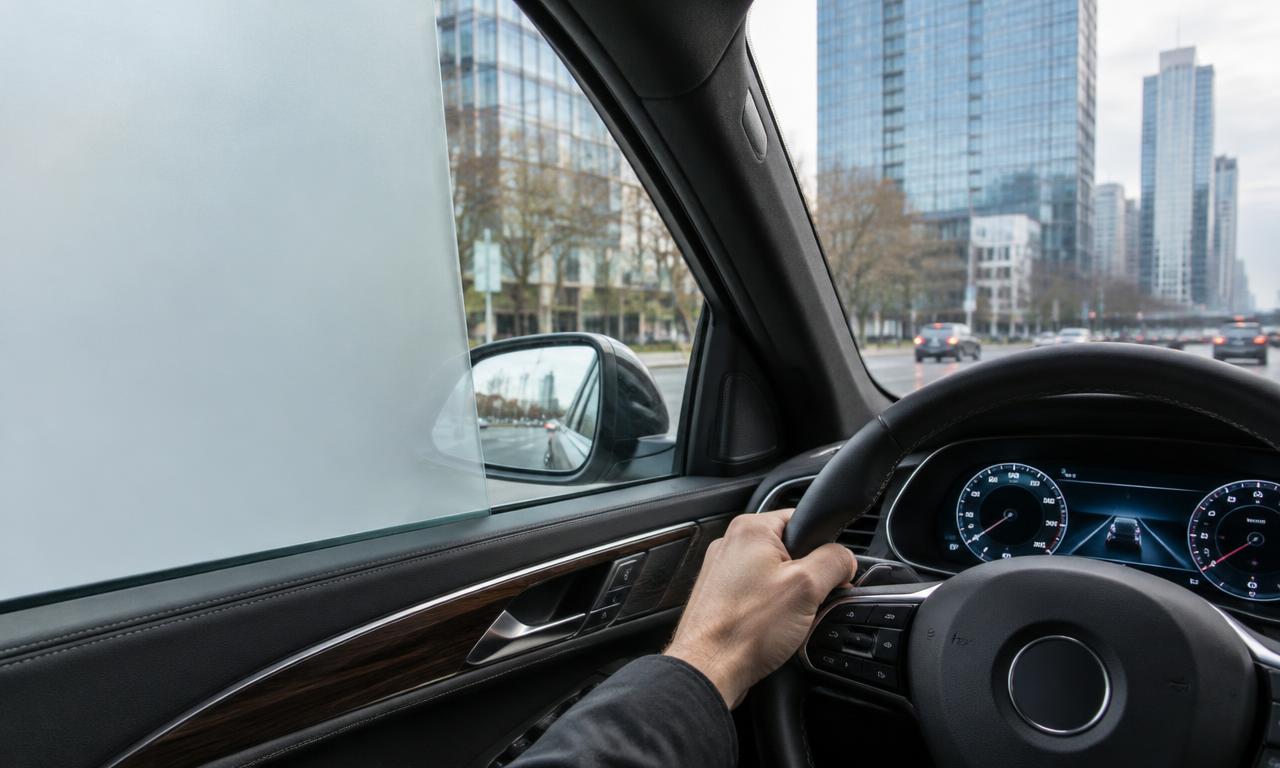
What makes it hard is everything around that idea. The film has to bond cleanly to curved automotive glass. The wiring has to be hidden and routed so no one ever sees it. The control has to be easy to reach and impossible to trigger accidentally. And the whole system has to survive Canadian temperature swings.
That integration work is what we have spent years on, and it is the difference between a demo panel and something you can live with in a daily driver.
If you want to see it rather than read about it, come by the shop. It takes about four seconds to understand once you have watched the glass change in front of you.
Thinking about tinting?
We tint cars, homes, and businesses across Ottawa. Tell us what you need and we will give you a straight answer and a real number.