Heat Rejection: The Numbers That Matter
TSER, IR rejection, and which one to trust on a spec sheet.

Film marketing throws numbers around, and most of them are chosen to look impressive rather than to inform.
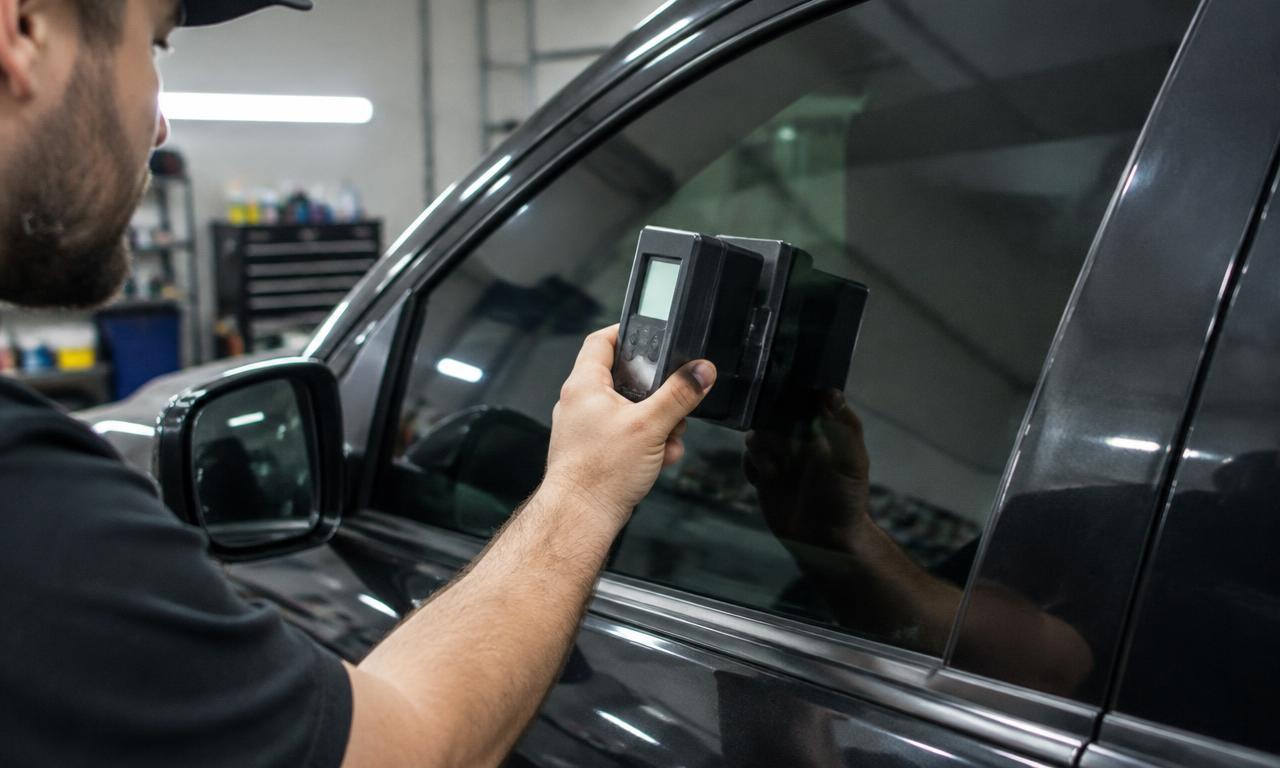
The one that actually matters is TSER — Total Solar Energy Rejected. It accounts for the whole spectrum hitting your glass: visible light, infrared, and ultraviolet. It is the closest single number to "how much cooler will this be."
IR rejection is the number most often advertised, because it can be very high. It measures a slice of the infrared spectrum only, and some manufacturers quote the slice where their product performs best. A film advertising 95% IR rejection might have a much more modest TSER.
UV rejection is near-universal on quality film — around 98–99% — so it is not a differentiator between good products, though it is one of the most valuable things film does.
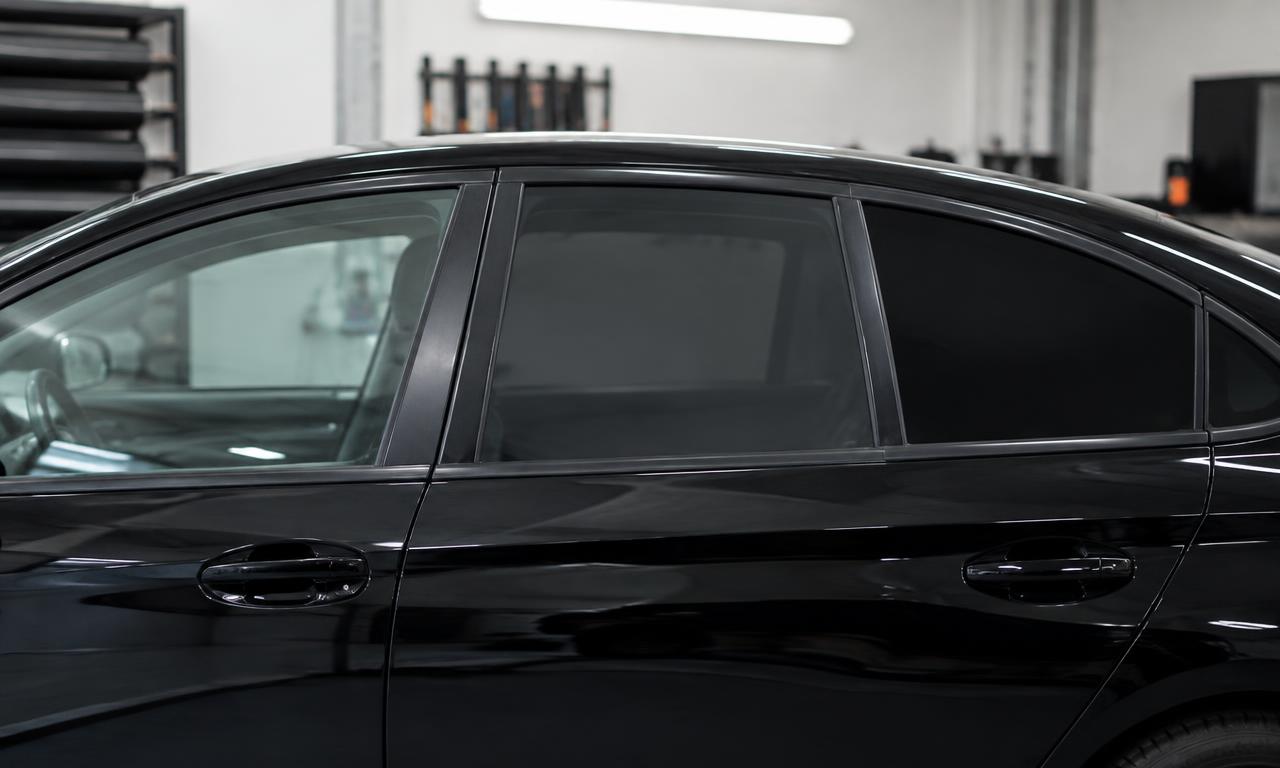
VLT, as covered before, is just darkness and tells you nothing about performance.
When we recommend a film, we talk about TSER and about what you will actually feel: how the steering wheel is after parking, how fast the A/C catches up, how bad the glare is at sunset. Numbers are a means to that, not the point.
Thinking about tinting?
We tint cars, homes, and businesses across Ottawa. Tell us what you need and we will give you a straight answer and a real number.