Ceramic vs Dyed vs Metallic Film
Three technologies, three very different five-year outcomes.
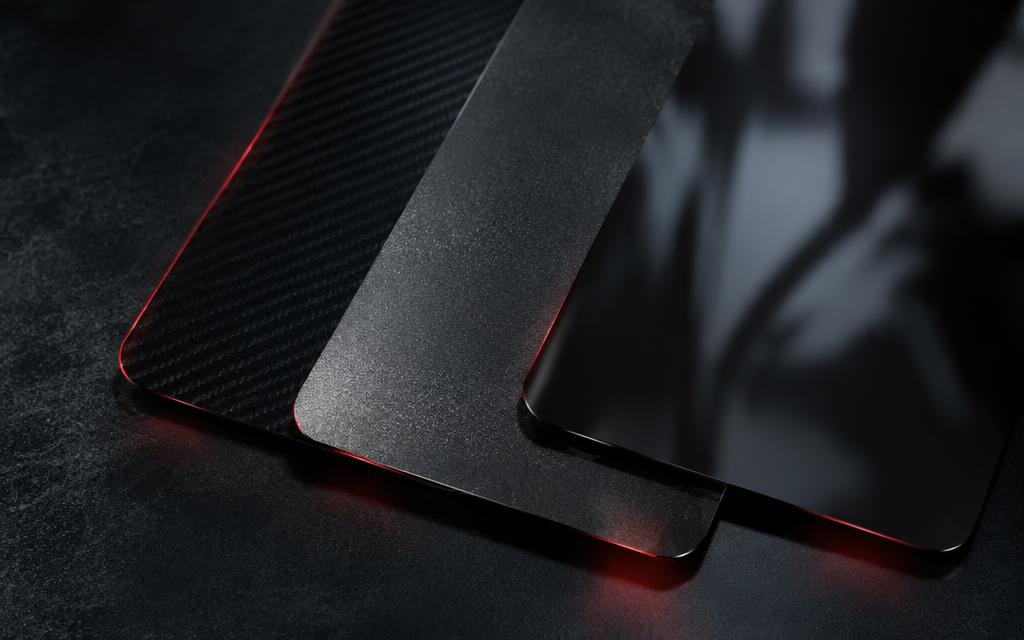
Dyed film is the entry level. A dye layer absorbs light, giving you the dark look cheaply. It blocks some glare and very little heat, and because dye breaks down under sunlight, it fades — usually toward purple — and the adhesive tends to give up around the same time.
Metallic film adds a thin metal layer that reflects heat. It genuinely performs better than dyed film and lasts longer. The trade-offs are a slightly reflective, mirror-like appearance and the possibility of interference with radio, GPS, or keyless systems in some vehicles.
Ceramic film uses non-conductive ceramic particles. It rejects a large amount of infrared heat, holds its colour, does not interfere with electronics, and stays optically clear rather than hazy. It costs more up front and it is the only one we install on cars.
The reason is simple: we warranty our work, and we would rather do one clean job than argue about bubbling film in year three. Every removal we do of failed film costs the customer more in labour than the original discount saved them.
If your budget is tight, go lighter in shade rather than lower in quality. A 50% ceramic beats a 20% dyed film on every measure except the first look in the parking lot.
Thinking about tinting?
We tint cars, homes, and businesses across Ottawa. Tell us what you need and we will give you a straight answer and a real number.